English| EUR
Suggested for you
More currencies
Choose a language
Chichagof Island holds the highest concentration of brown bears on Earth. This wilderness page explains the population figures, the ecological factors behind the density, and what visitors encounter when they enter bear country.
Quick answer
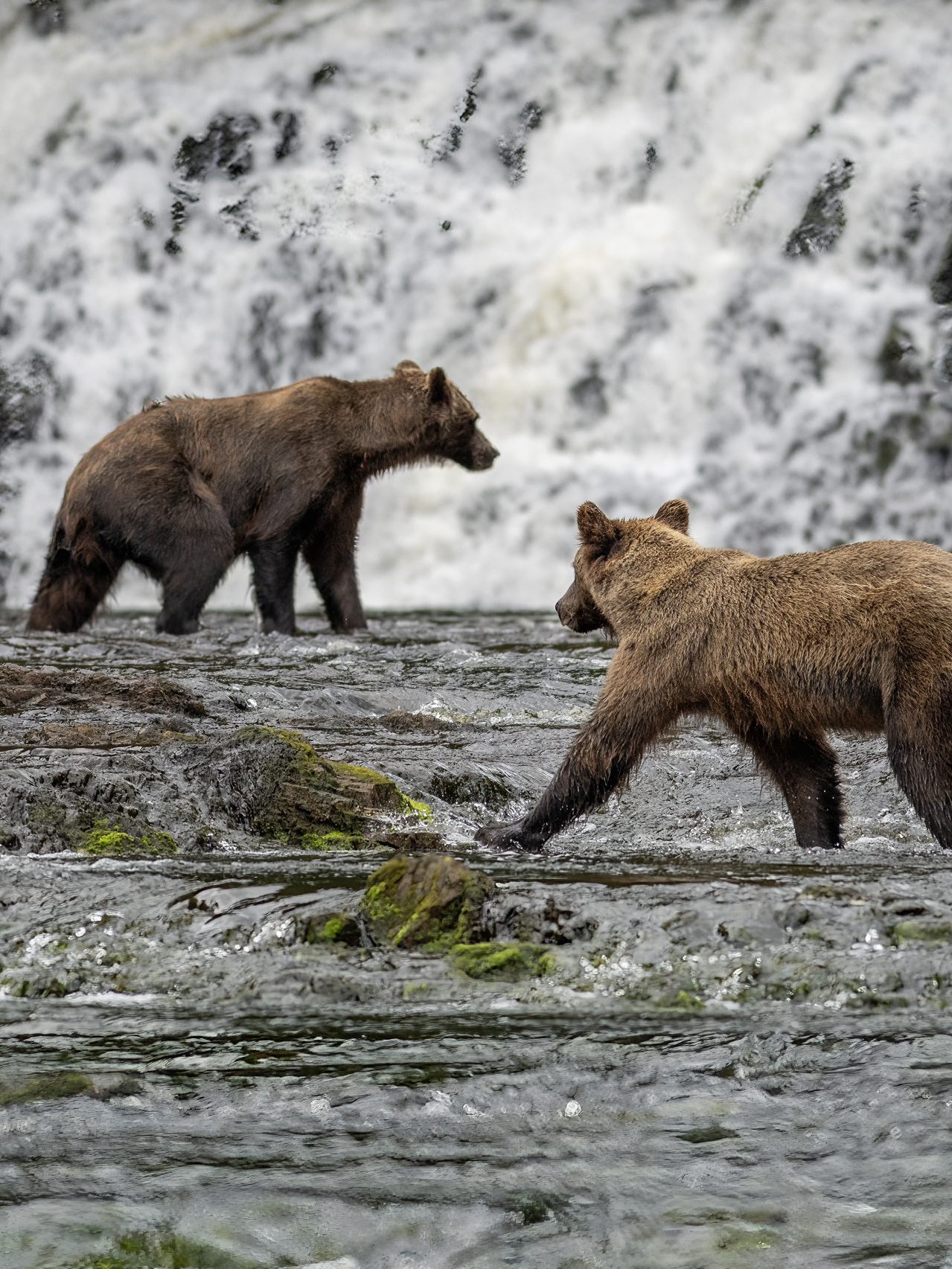
Chichagof Island sustains an estimated 1,500 brown bears across its 2,100 square miles, yielding a density of roughly one bear per 1.4 square miles—the highest brown bear concentration documented anywhere. The island's salmon-rich streams, old-growth forest cover, and limited human development create ideal habitat. Bears are present year-round, with peak activity from May through September during salmon runs.
Chichagof Island's brown bear density exceeds that of every other surveyed landmass, including neighboring Admiralty Island and the Katmai coast. The figure—approximately 1,500 individual bears across 2,100 square miles—translates to one bear for every 1.4 square miles of terrain. No comparable concentration exists elsewhere in the brown bear's range. Three factors drive the numbers. First, the island's stream network hosts five species of Pacific salmon, delivering protein from June through October. Second, the temperate rainforest canopy remains largely intact, providing cover and berry crops that extend foraging seasons. Third, human settlement is confined to a handful of coastal communities, leaving the interior roadless and undisturbed. Bears occupy every watershed from sea level to alpine ridgelines. The Alaska Department of Fish and Game conducts aerial surveys every three years, augmented by genetic sampling from hair snags and scat analysis. Population estimates have held steady since the late 1990s, with fluctuations tied to salmon run strength rather than habitat loss. Subadult males range widely, while sows with cubs concentrate near productive streams. The sex ratio skews slightly female, consistent with other stable populations. Visitors encounter bears most frequently along salmon corridors during early morning hours. Forest trails rarely offer sightlines beyond fifty feet, so close-range encounters are routine rather than exceptional. The island's free-access wilderness status means no permits are required, but also no infrastructure exists beyond a few maintained anchorages. Float planes land on sheltered bays; boats navigate narrow channels between islets. Every landing zone lies within a bear's established territory. Bear behavior on Chichagof follows predictable seasonal rhythms. Spring emergence begins in April as bears move downslope toward emerging vegetation. June marks the start of salmon runs, drawing bears to stream mouths and shallow riffles. By August, berries ripen across avalanche slopes and forest edges, dispersing bears into higher elevations. Hyperphagia intensifies in September as bears maximize caloric intake before denning. Most enter dens by November, though coastal males occasionally remain active through December. The island's bear population operates as a closed system. Genetic studies show limited interchange with mainland populations, and the forty-mile strait separating Chichagof from Baranof Island acts as a natural boundary. Cubs born here typically spend their entire lives within a fifteen-mile radius of their natal den. This isolation makes population monitoring straightforward and management interventions rare. Hunting permits are issued on a quota basis, with annual harvests capped at two percent of the estimated population to ensure long-term stability.
“No comparable concentration exists elsewhere in the brown bear's range.”
Chichagof Island supports one of the most concentrated brown bear populations on the planet. This dense population is supported by the island's vast, resource-rich temperate rainforest.
Extensive habitat area
Coastal brown bear subspecies
Significant salmon runs
Part of the ABC islands
Research and management focus
The optimal time to view the Chichagof Island bear population is during the late spring and summer months when salmon runs dictate bear movement. For daily excursions, the best arrival window is 06:00–10:00 to maximize wildlife observation opportunities.
—
Wildlife activity is highest during these hours as bears forage near shorelines.
Cool, 40°F–55°F
Bears emerge from hibernation and frequent beaches to graze on sedge grass.
Mild, 50°F–65°F
Salmon runs draw bears to streams, providing consistent viewing opportunities throughout the day.
Cool, 45°F–58°F
Bears continue to feed heavily on late-run salmon before preparing for winter dormancy.
Verdict: The best slot for observation is between 06:00 and 10:00 during the months of July or August when salmon activity is at its peak.
Chichagof Island is located in the Alexander Archipelago of Southeast Alaska. Access to the island wilderness is primarily achieved via boat or regional aircraft connecting through hubs such as Juneau or Sitka.
Alaska Marine Highway System to Hoonah or Pelican
Regional flight to Hoonah Airport (HNR)
Private charter or water taxi from Juneau
For optimal wildlife viewing opportunities during early morning hours, plan to arrive within the best arrival window of 06:00–10:00.
Chichagof Island's brown bear population demands strict safety protocols. Proper conduct protects both visitors and the island's wildlife.
Everything you need to know about chichagof island bear population
The chichagof island bear population is recognized for having one of the highest densities of brown bears per square mile in the world. This isolated ecosystem provides an ideal habitat, allowing the animals to thrive in their natural environment.
Researchers often highlight the chichagof island bear population due to its stable numbers and the island's unique geography. These coastal brown bears are frequently observed feeding along the shorelines and salmon-rich streams throughout the summer months.
To maximize your chances of success, you should plan your arrival during the best window of 06:00–10:00. This early morning period offers the most consistent wildlife viewing opportunities while avoiding the heat of the day.
There is no cost to access the public wilderness areas, as the entrance fee is 0 USD. Visitors are free to explore the island, though it is essential to remain aware of your surroundings at all times.
While independent travel is possible, navigating the island requires careful planning regarding logistics and gear. Many visitors prefer utilizing a structured experience to gain local insights into the chichagof island bear population.
Safety is paramount when exploring bear country, so you must always carry bear spray and maintain a safe distance. Never approach animals, secure all food items, and remain vigilant for signs of recent activity.
If you are ready to plan your trip, explore our recommended tour operators through the booking widget on this page. These professionals provide the expertise needed for a secure and informative encounter in the Alaskan wilderness.