
English| EUR
Suggested for you
More currencies
Choose a language
Chichagof Island hosts one of the densest populations of brown bears in the world, with concentrations approaching one bear per square mile in prime habitat. Access to viewing areas within the Tongass National Forest is free, though guided excursions and float-plane charters carry separate costs. This guide covers arrival timing, seasonal patterns, and the logistics that determine encounter quality.
Quick answer
Chichagof Island wilderness areas are accessible year-round at no entrance fee, with peak bear activity occurring during dawn and dusk hours near salmon-rich streams. The best arrival window is 06:00 to 20:00, aligning with foraging patterns during salmon runs from June through September. Tours and charter flights incur individual excursion fees, but the public forest land itself remains free to access.
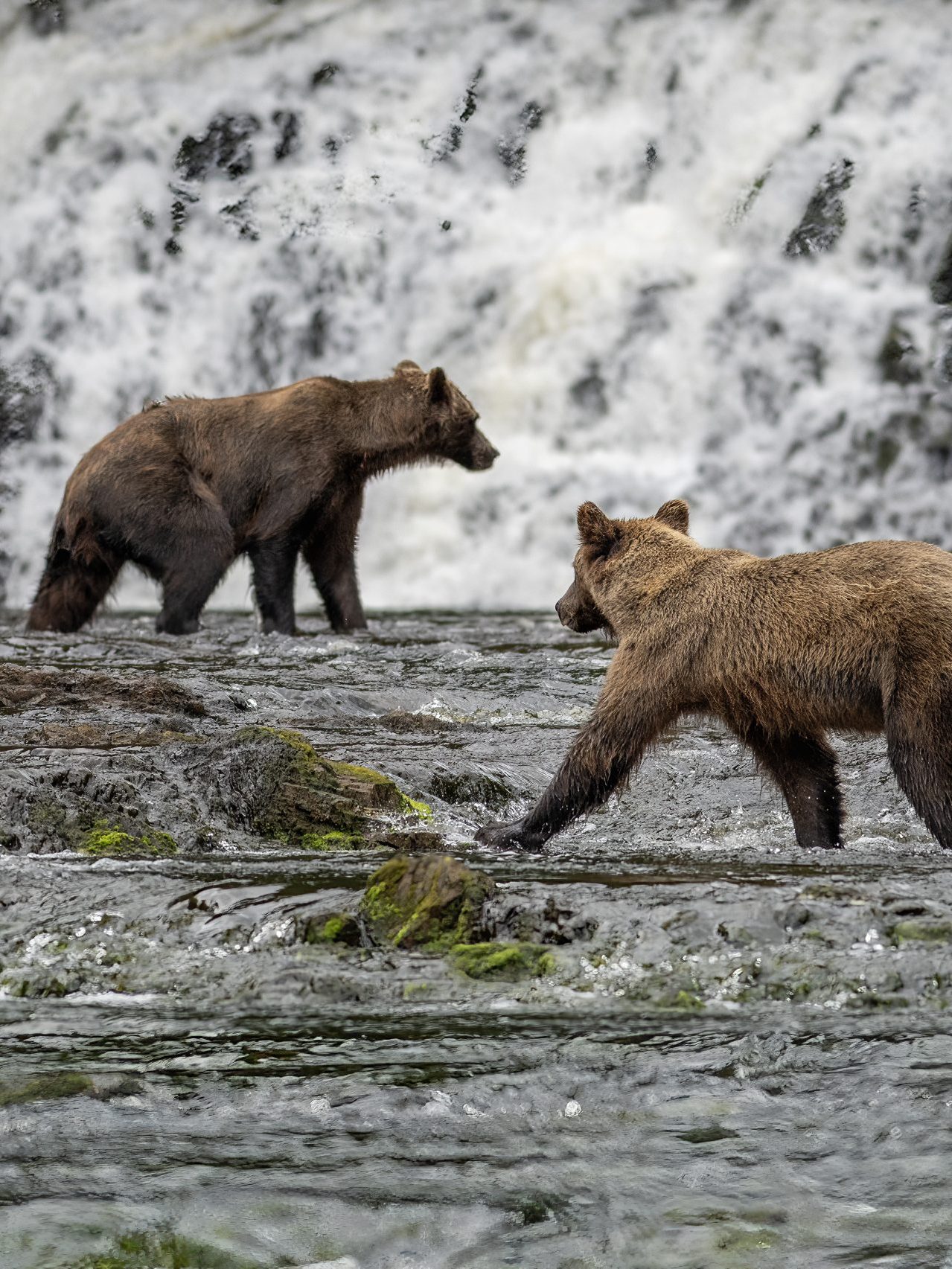
Chichagof Island supports an estimated 1,500 brown bears across 2,100 square miles, making it one of the highest-density bear habitats in North America. The island lies within the Tongass National Forest, and its network of salmon streams creates predictable congregation points during spawning seasons. Bears on Chichagof are coastal brown bears, a subset of the grizzly lineage adapted to abundant marine protein sources, and individuals here routinely exceed 800 pounds. The question of when and where to observe bears on Chichagof hinges on salmon timing. Pink and chum salmon enter island streams from late June through August, drawing bears to accessible shoreline zones. Coho salmon extend the season into September and early October. During these windows, bears concentrate at creek mouths, tidal flats, and estuarine zones where fish funnel into narrow channels. Outside the salmon runs, bears forage for sedge grasses in spring meadows and scavenge intertidal zones, but sightings become more dispersed and less predictable. Chichagof Island bear viewing requires float-plane or boat access from Sitka, Juneau, or nearby communities. No road network reaches the island's prime bear zones. Most visitors book guided excursions that include transport, positioning near active streams, and naturalist oversight. Independent access is possible for experienced wilderness travelers, but the island's coastal terrain is rugged, tidal ranges exceed 20 feet, and brown bear density demands rigorous food storage and camp discipline. Viewing etiquette on Chichagof follows the same principles applied across Alaska bear country: maintain 50 yards minimum distance, never position yourself between a sow and her cubs, and avoid sudden movements or loud sounds that trigger defensive behavior. Bears habituated to quiet human presence at established viewing sites tolerate observation, but the island's backcountry holds entirely wild populations with no history of human conditioning. Weather on Chichagof shifts rapidly, with coastal fog and rain common even in summer. Layered waterproof clothing, bear spray, and satellite communication devices are standard gear for any bear-focused outing in the Tongass. The reward for the logistical effort is proximity to one of the continent's apex predators in an undeveloped setting. Chichagof Island bear viewing delivers the dynamic interplay of predator and prey, set against a backdrop of temperate rainforest and tidal estuaries that few wilderness areas can match.
“Chichagof Island supports one bear per square mile in prime habitat, one of the highest densities in North America.”
The peak window for bear viewing on Chichagof Island occurs from late July through August, coinciding with the annual salmon runs. During this time, bears frequent salmon-rich streams most predictably during dawn and dusk.
Cool, 40°F–55°F; variable rain
Bears emerge from hibernation and forage on sedge grasses. Viewing is less predictable than during salmon runs.
Mild, 50°F–65°F; frequent showers
Spawning salmon attract high concentrations of bears to streams. This is the period of highest viewing success.
—
Bears are most active during these low-light periods. Plan for the best arrival window of 06:00–20:00 to maximize sightings.
Verdict: The most effective strategy is to visit during late July or August, focusing your arrival within the 06:00–20:00 window to align with peak daily activity.
Chichagof Island is located within the Tongass National Forest in Alaska and is primarily accessible via air or water transport. Visitors typically depart from major regional hubs such as Juneau or Sitka to reach the island's remote wilderness locations.
Charter boat from Juneau or Sitka
Floatplane charter from Juneau or Sitka
Plan your arrival to align with the best arrival window of 06:00–20:00 to maximize visibility during dawn and dusk hours.
Chichagof Island consists of public land within the Tongass National Forest, where access to wilderness areas does not require an entrance fee. Costs for bear viewing are instead determined by independent guide services and mandatory transportation arrangements.
Verdict: While wilderness entry is 0 USD, visitors should budget for guide fees and transportation costs, which fluctuate based on the service provider selected.
Chichagof Island wilderness areas are accessible daily throughout the week. While the island remains open to visitors at all times, bear activity patterns dictate the viability of your viewing session.
Brown bear encounters on Chichagof Island demand strict adherence to National Forest wildlife protocols. Proper conduct protects both visitors and the island's dense bear population.
Wilderness bear viewing on Chichagof Island requires proper safety equipment and advance preparation.
Everything you need to know about chichagof island bear viewing
The most effective way to observe wildlife is by booking a guided excursion, as local experts understand the habits of the island's high-density brown bear population. Utilizing professional guides ensures you can safely navigate the Tongass National Forest while maximizing your chances of a successful sighting. Please review our booking options to find an excursion that fits your travel plans.
Peak bear activity typically occurs during dawn and dusk hours near salmon-rich streams. We recommend planning your trip to coincide with these active periods to increase your likelihood of spotting bears in their natural habitat. Monitoring tide charts can also provide additional insight into when bears are most likely to be foraging.
There is 0 USD entrance fee for wilderness areas on Chichagof Island. However, visitors should note that organized tours will incur individual excursion fees which are set by independent operators. You can explore available tour providers through our booking portal.
Safety is paramount when visiting bear country, so always maintain a safe distance and never approach the animals. Travel in groups, carry bear spray, and store all food items in sealed containers to avoid attracting wildlife. Following instructions from your professional guide is the most important rule for a safe experience.
Children are generally welcome to join guided expeditions, though parents should confirm age requirements with the specific tour operator. Ensure that your children are prepared for potential weather changes and can remain quiet for extended periods to avoid disturbing the wildlife. Always check individual excursion details before finalizing your arrangements.
The best arrival window for activity is 06:00–20:00. Arriving during this period allows you to align with the primary times when bears are moving through the forest and along the coastlines. Plan your logistics to ensure you are at your designated meeting point within this timeframe.